
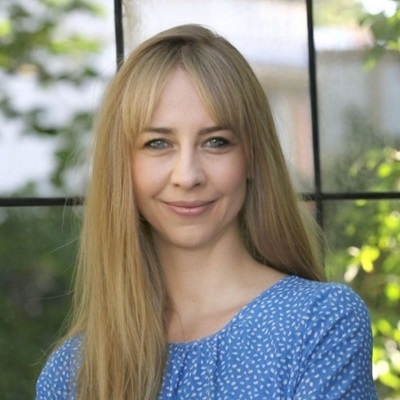
Dorota Frydecka
Implicit and explicit learning in psychotic disorders
Abstract
Humans learn how to behave both through rules and instructions (explicit learning) as well as through environmental experiences (implicit learning). It has been shown that instructions can powerfully control people’s choices, often leading to a confirmation bias. Difficulty to flexibly and adequately adapt to environment conditions due to deficits in motivation and learning are considered to be core negative symptoms domain of psychotic disorders.
Given the complexity of neural circuits involved in reinforcement and instruction-based learning, it becomes difficult to capture the possible interactions of these circuits, and particularly how they are disrupted in schizophrenia. In order to explore reinforcement learning and confirmation bias both in schizophrenia patients and in healthy controls, we employed Probabilistic Selection Task (PST) and Instructed Version of Probabilistic Selection Task (IPST).
The data was analyzed computational models taking under account interactions between prefrontal cortex (PFC) responsible for explicit learning and basal ganglia (BG) playing mainly role in implicit learning. This approach allows to assess the relevance of different neural circuits in psychotic disorders in comparison to healthy controls and to capture the essence of the proposed mechanisms of cognitive processing based on behavioral data of the participants with respect to their symptomatology and genetic underpinnings of PFC-BG system.
Biography
Prof. Dorota Frydecka is medical doctor with specialization in adult psychiatry, psychologist and computer scientist. She works at the Department of Psychiatry in Wroclaw Medical University and previously also in the Department of Psychology in Wroclaw University and Department of Clinical Psychology in Higher School of Social Psychology.
She was a PI in several research projects on the genetic basis of psychotic disorders in relation to immune system, cognitive functions, neural network modeling and computational modeling (awarded by Ministry of Science and Higher Education, Foundation of Polish Science, National Science Center). She got additional training in the Institute of Psychiatry (King’s College London), Department of Psychiatry (Charite Medical University of Berlin) and Departments of Radiology, Neuroscience, and Psychology (Columbia University). She has received numerous national (Wroclaw Medical University Dean’s awards, Foundation for Polish Science awards) and international awards (American Psychiatric Association award, European Psychiatric Association award, European College of Neuropsychopharmacology award).
She was the Editor of the research topic “Cognitive Function in Schizophrenia: Genetic, Psychopharmacological, Computational, Neural, and Behavioral Studies” for Frontiers in Behavioral Neuroscience journal and research topic “Endophenotypes for schizophrenia and mood disorders: implications from genetic, biochemical, cognitive, behavioral and neuroimaging studies” for Frontiers in Psychiatry journal. She was the board member of the Executive Board ECPC – initiative of the European Psychiatric Association – Task Force on Research.