
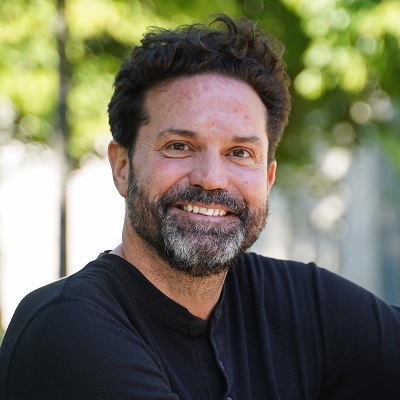
Yann Ravussin
Overfeeding and Neural Pathways that Regulate Body Weight
Abstract
While the escalating public health crisis presented by obesity and adiposity-related metabolic disorders is well-recognized, therapeutic strategies remain few, primarily due to an incomplete comprehension of body weight and adipose mass regulation mechanisms. The importance of discerning peripheral and neuronal circuits modulating caloric intake and energy expenditure cannot be overstated. While extensive research has elucidated the neuronal circuits increasing food consumption following weight loss, the inverse pathways – those curtailing feeding behavior and augmenting metabolic rate during periods of overconsumption – remain comparatively understudied and poorly understood. This gap in knowledge is largely due to a dearth of suitable experimental paradigms.
To address this, we have engineered a gastric intubation procedure facilitating large volume caloric infusion in mice, resulting in rapid weight gain. Upon cessation of overfeeding, a hypophagic period ensues whose length is proportional to the weight gained and returns mice to their weight prior to overfeeding. This observation suggests the existence of an anorectic factor that communicates somatic energy reserves to the brain, subsequently reducing food intake.
We have proposed that the production of this signal emanates from the periphery (potentially the adipose tissue) and acts on the brain to decrease feeding behavior until excess weight is lost. I will present data related to our most recent findings.
Biography
Yann Ravussin, Ph.D., is currently a senior lecturer/group leader and director of the Mouse Metabolic Phenotyping Platform at the University of Fribourg’s Faculty of Science and Medicine. Since joining the University of Fribourg in February 2020, Dr. Ravussin received the Young Independent Investigator Award (from the Swiss Society of Endocrinology and Diabetes) to further his research related to understanding the molecular underpinnings of body weight regulation that had been started during a postdoctoral fellowship at Columbia University. He is particularly interested in understanding how peripheral signals (coming from various tissues) can influence the brain and change energy intake and expenditure during alterations in body weight.
Previous to his arrival in Fribourg, he obtained his Master’s at the University of Lausanne in Switzerland and his PhD at Columbia University in New York City. He then conducted postdoctoral work at the Nationals Institutes of Health (NIDDK) and again at Columbia University (with Dr. Ferrante – first to describe macrophages in adipose tissue). He has published papers on a host of different areas related to metabolism and metabolic health including microbiota, neuroendocrinology, and diabetes in high impact journals such as Cell Metabolism and Obesity. Furthermore, he is a board member of the Swiss Association for Endocrinology Metabolism and Obesity Studies (ASEMO).
Outside of his professional life, Dr. Ravussin is an avid runner and passionate world traveler. He also maintains a keen interest in the influence of language on personal identity.