

Expanding CAR Targets to Non Protein Antigens
Accurate identification of tumor‑specific markers is essential for advancing CAR‑based therapies, especially in solid tumors where protein antigens rarely offer sufficient specificity. Post‑translational modifications, particularly glycosylation, provide an alternative class of targets with improved selectivity. Among these, the sialyl‑Tn (STn) antigen is widely expressed across epithelial cancers but largely absent in healthy tissues.
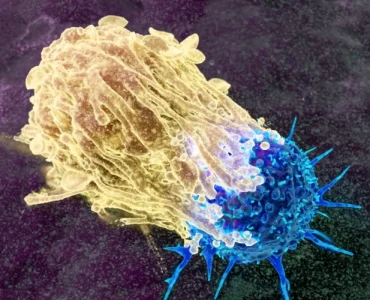
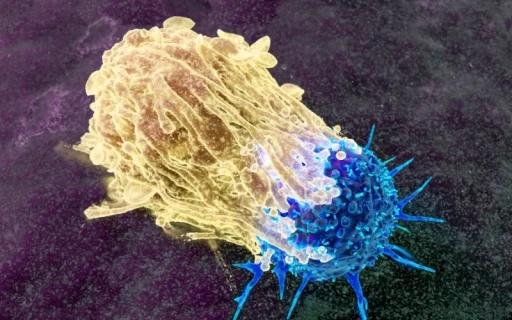
We present AM-series of monoclonal antibodies with unprecedented specificity for the STn and no detectable reactivity toward normal tissues. Incorporation of the AM52.1 scFv into a second‑generation CAR design yielded AM52.1CAR T cells that selectively killed STn‑expressing cancer cell lines and patient‑derived organoids while sparing STn‑negative controls. In multiple preclinical models — including gastric, tubo‑ovarian, and colorectal mucinous peritoneal metastases — AM52.1CAR T cells demonstrated robust antitumor activity. These results highlight the promise of targeting non‑protein antigens to expand CAR T‑cell therapy into complex solid tumors.
Accurate identification of tumor‑specific markers is essential for advancing CAR‑based therapies, especially in solid tumors where protein antigens rarely offer sufficient specificity. Post‑translational modifications, particularly glycosylation, provide an alternative class of targets with improved selectivity. Among these, the sialyl‑Tn (STn) antigen is widely expressed across epithelial cancers but largely absent in healthy tissues.
Show more
We present AM-series of monoclonal antibodies with unprecedented specificity for the STn and no detectable reactivity toward normal tissues. Incorporation of the AM52.1 scFv into a second‑generation CAR design yielded AM52.1CAR T cells that selectively killed STn‑expressing cancer cell lines and patient‑derived organoids while sparing STn‑negative controls. In multiple preclinical models — including gastric, tubo‑ovarian, and colorectal mucinous peritoneal metastases — AM52.1CAR T cells demonstrated robust antitumor activity. These results highlight the promise of targeting non‑protein antigens to expand CAR T‑cell therapy into complex solid tumors.
Sébastien Wälchli
Dr. Sébastien Wälchli is Group Leader at Oslo University Hospital, where he established a CAR discovery platform and has contributed to the development of over 20 CAR molecules, including CD37CAR, OSCAR, and K101CAR. His work combines molecular engineering and T‑cell biology to advance personalized cellular therapies, within national and EU-funded immunotherapy programs. He has co‑founded Zelluna Immunotherapy, authored more than 100 publications, and holds 15 patents.
More about Dr. Sébastien Wälchli.
Read the Abstracts from Our Invited Speakers
Cancer Biology
- AllergoOncology: Lessons Learned from the Allergy-Glioblastoma Connection
Aurélie Poli, Luxembourg Institute of Health, LUXEMBOURG
- Cytotoxic NK Cells Impede Response to Checkpoint Immunotherapy in Melanoma with an Immune-Excluded Phenotype
Joanna Poźniak, KU Leuven, BELGIUM
- Inducing Immunogenic Tertiary Lymphoid Structures Across Cancer Types With Dendritic Cell Reprogramming
Camille Chatelain, Lund University, SWEDEN
- The Role of ILC2 in Tissue Homeostasis and Neoplasia
Tim Halim, Cancer Research UK Cambridge Institute, UNITED KINGDOM
Cancer Neuroscience
- Latent Neuropathy in Colorectal Cancer: Implications for Cancer Survivorship
Andrew Shepherd, University of Texas MD Anderson Cancer Center, USA
- Remodelling of the Bone Microenvironment During Cancer Infiltration: Insights from Multiplex Imaging and Spatial Transcriptomics
Christina Møller Andreasen, University of Southern Denmark, DENMARK
- Enteric Nervous System-Derived VIP Restrains Differentiation of LGR5+ Stem Cells Towards the Secretory Lineage Impeding Type 2 Immune Programs
Christoph Klose, Charité – Berlin University Medicine, GERMANY
Cancer Therapy
- Targeting the Dark Matter of Cancer with AI-Designed Mini Binder
Tobias Bald, University of Bonn, GERMANY
- Engineering Nanomedicines for Targeted Neuroimmune Modulation
Helena Florindo, University of Lisbon, PORTUGAL
- Potentiating Immunotherapy of Urological Cancers with Oncolytic Viruses
Gabri van der Pluijm, Leiden University Medical Center, THE NETHERLANDS
- Strategic Priorities in Cancer Therapy: Navigating the 2026 Cancer Mission Calls
Industry Contact Point, Łukasiewicz – PORT, POLAND
- Cancer Neuroscience of Brain TumorsKEYNOTE SPEAKER
Frank Winkler, Universitätsklinik Heidelberg, GERMANY
- Spatial Reprogramming of Immune Surveillance in Breast Cancer: From Immune Control to Immune Failure
Sheeba Irshad, King’s College London, UNITED KINGDOM
- The War Against Glioblastoma Needs More Than Standard of Care
Stefaan Van Gool, IOZK Immun-Onkologisches Zentrum Köln, GERMANY
- Uncovering the Spatial Regulation of γδ T Cells: Toward Receptor-Guided Immunotherapy
Jürgen Kuball, University Medical Center Utrecht, THE NETHERLANDS
- CAR‑T Cell Therapy in Lymphomas, Acute Lymphoblastic Leukemia, and Multiple Myeloma
Wojciech Szlasa, DCOPIH, POLAND
- Expanding CAR Targets to Non Protein Antigens
Sébastien Wälchli, Oslo University Hospital, NORWAY
- Advancing BIA-ALCL Research Through a UK – PORT Alliance — From Biobanking to Immune Discovery
Helen Kakkassery, King’s College London, UNITED KINGDOM
PORT for Business — Company Session
- From Sample to Insight: Advanced Analytics for Oncology Research
Malwina Woźniak, Łukasiewicz – PORT, POLAND
- Beyond glioblastoma — WPD Pharmaceuticals
Marek Sipowicz, WPD Pharmaceuticals, POLAND
- The Development of USP7 Inhibitor for Cancer Immunotherapy
Zbigniew Zasłona, Molecule, POLAND
- Leveraging Cancer Biology for Therapeutic Innovation: Clinical and Discovery Advances at Ryvu
Milena Mazan, Ryvu Therapeutics, POLAND
- Transforming Multimodal Complexity into Precision Oncology Insights
Marek Kudła, Ardigen, POLAND
- JJP-1008 as a Novel Checkpoint Inhibitor
Agata Drewniak-Maksymów, JPP Biologics, POLAND
- Synergistic Nanotechnology for Targeted Therapeutics in Oncology
Artur Wnorowski, Biotechna, POLAND
- Development of Biological Drugs for Oncological Indications at Mabion
Jakub Knurek, Mabion, POLAND
- Enabling Early Drug Discovery: Integrated Screening Capabilities and a BRD4/CRBN PROTAC Case Study
Justyna Adamczyk, Enamine, POLAND